Caballos de Luz, Uruguay: Hospitality is Luxury
Caballos de Luz, Uruguay: Hospitality is Luxury
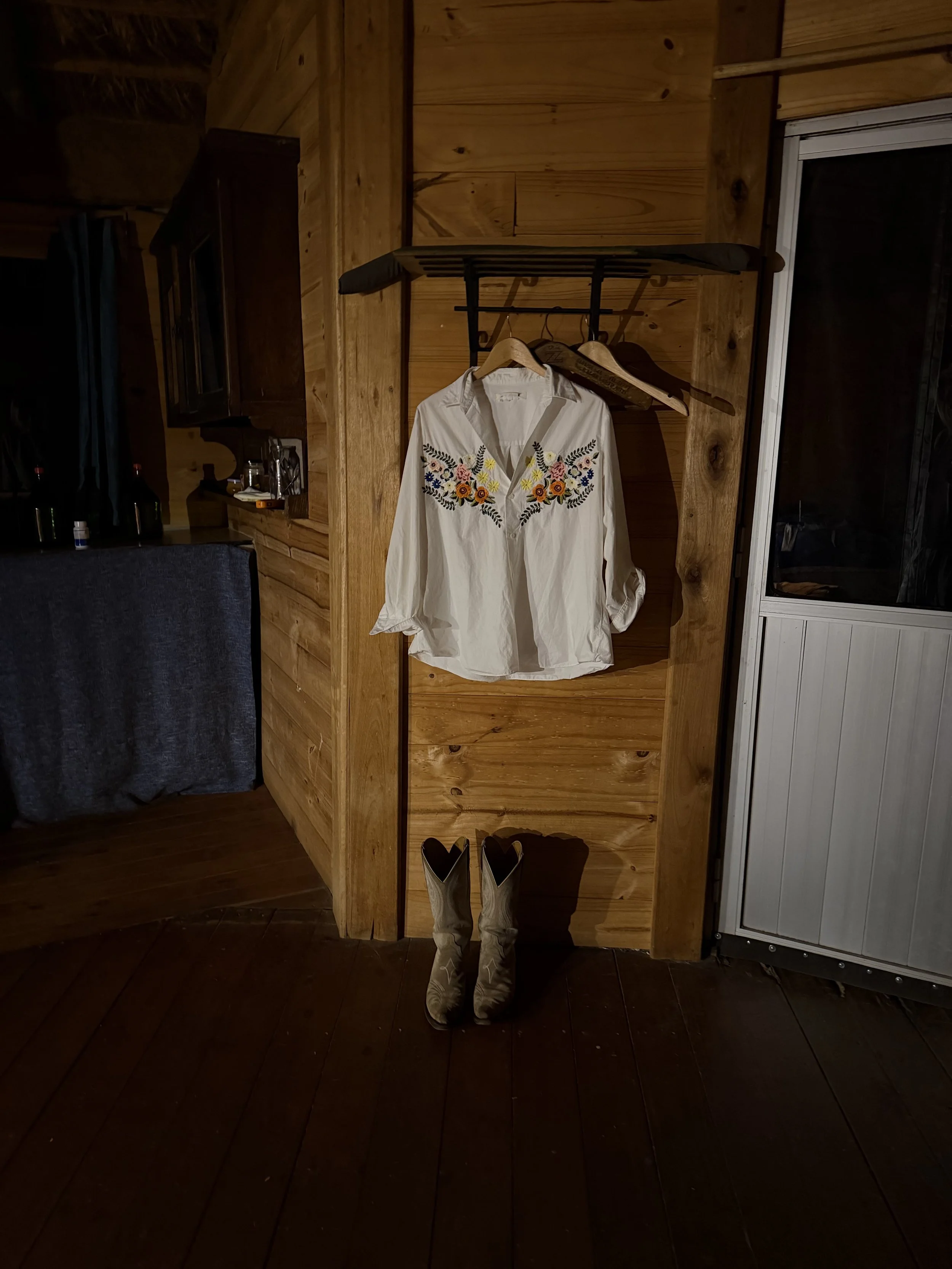
I arrived at Caballos de Luz in a luxury taxi from José Ignacio, the chic shoreline of Maldonado in Uruguay. For the last twenty minutes of the journey, the driver was visibly irritated with the narrow paths, dirt roads, and terrain ill-suited to a pristine sedan. My Comme des Garçons shirt, Gucci sunnies, and Lucchese boots felt equally out of place as I rolled my bright blue Lipault suitcase down a rocky dirt path, instinctively searching for a lobby that did not exist.
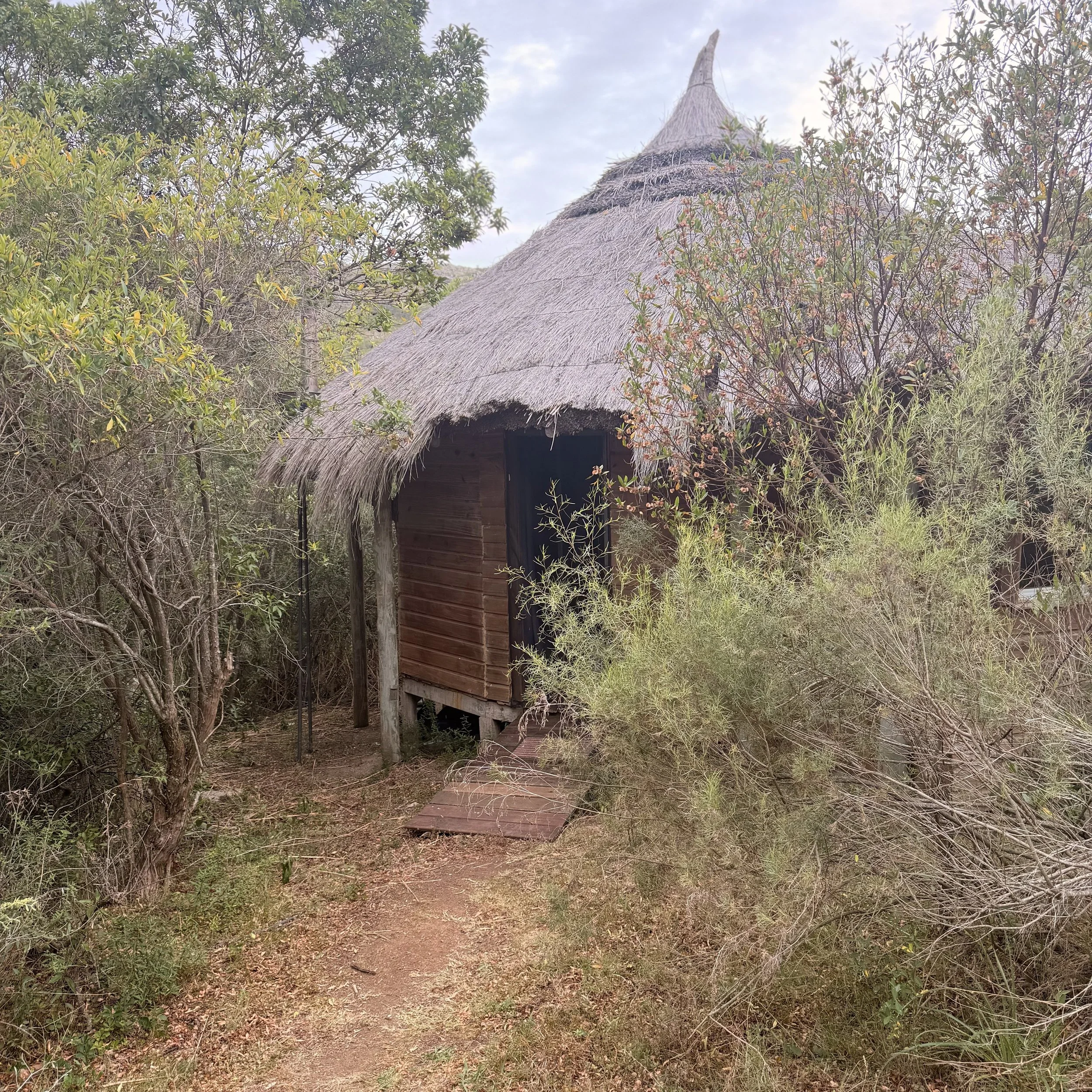
Caballos de Luz sits in the rural sierras of Rocha, far from the polish and prestige of José Ignacio. There is no formal check-in. No front desk. No scented towels. Just a woman on a stoop, a quiet gesture toward a hut, and the immediate understanding that my outfit was a miss.
Inside the hut, two women sat at a dining table speaking Spanish. One of them was Lucie, the proprietor. Austrian, barefoot, dreadlocked, dressed in a frock that looked as though it had lived several lives before this one. She greeted me with kindness, and a flicker of concern.
She walked me to my hut; a small, circular, thatched roof structure with a full-size bed on crates, a table and two chairs, a shelf, and a compact countertop with a propane stove and an Italian coffee maker.
When it became clear I didn’t know how to use it, she showed me. She asked if I preferred tea. I mentioned my love of mint tea, but also my morning dependence on coffee.
Then she led me to the outhouse: an eco-toilet; no flush, no septic, just sawdust. Two scoops per visit. Beside it, a shower and sink. Thoughtful, immaculate, and perfectly sufficient. Don’t let the Comme des Garçons fool you, I’m entirely comfortable with an outhouse, and this one was clearly designed with care.
Ten minutes later, I had unpacked and was at the stable, ready for the day’s ride.
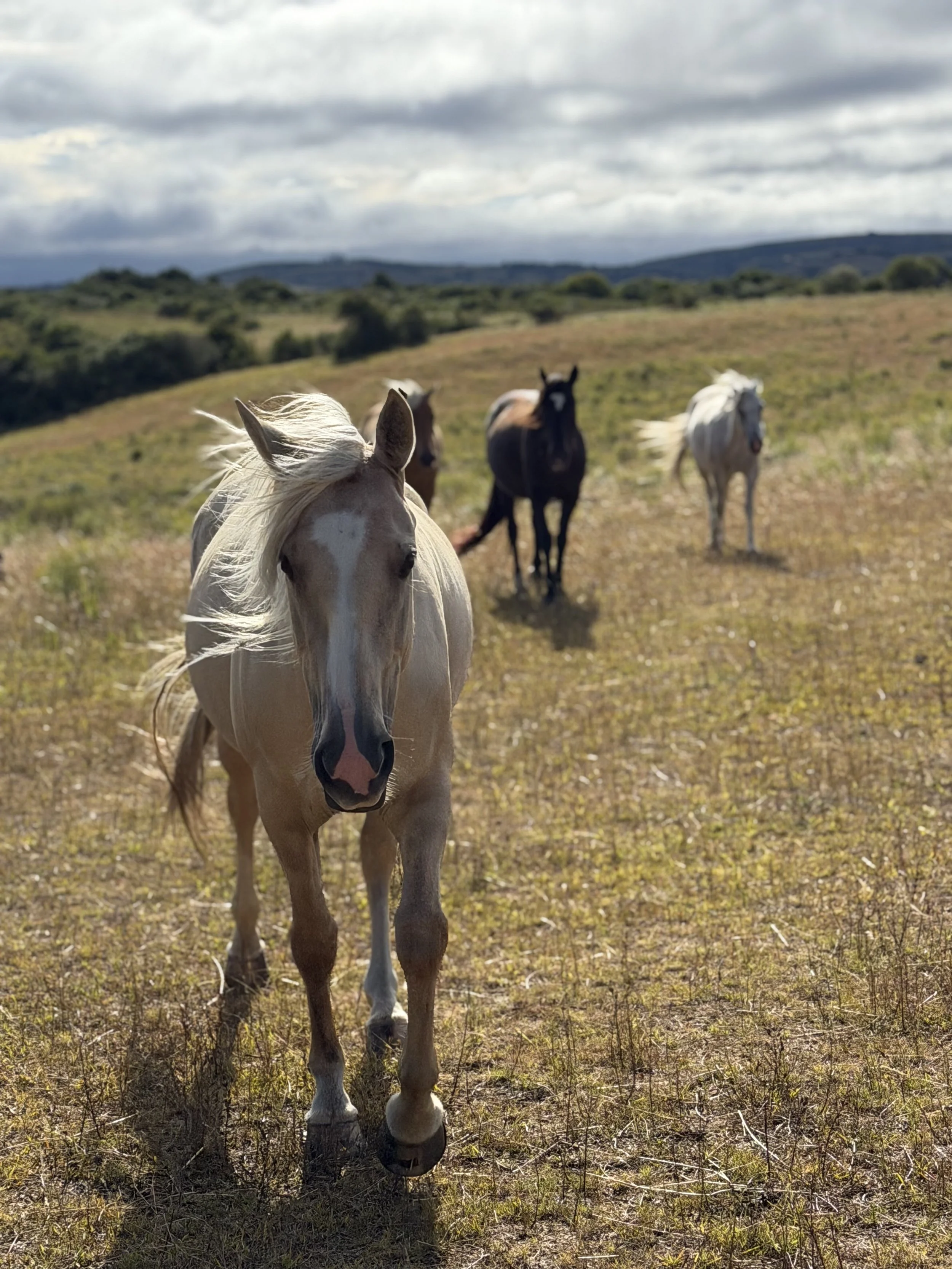
After a few simple instructions from our guide about their philosophy of nonviolence toward horses and animals, we were riding.
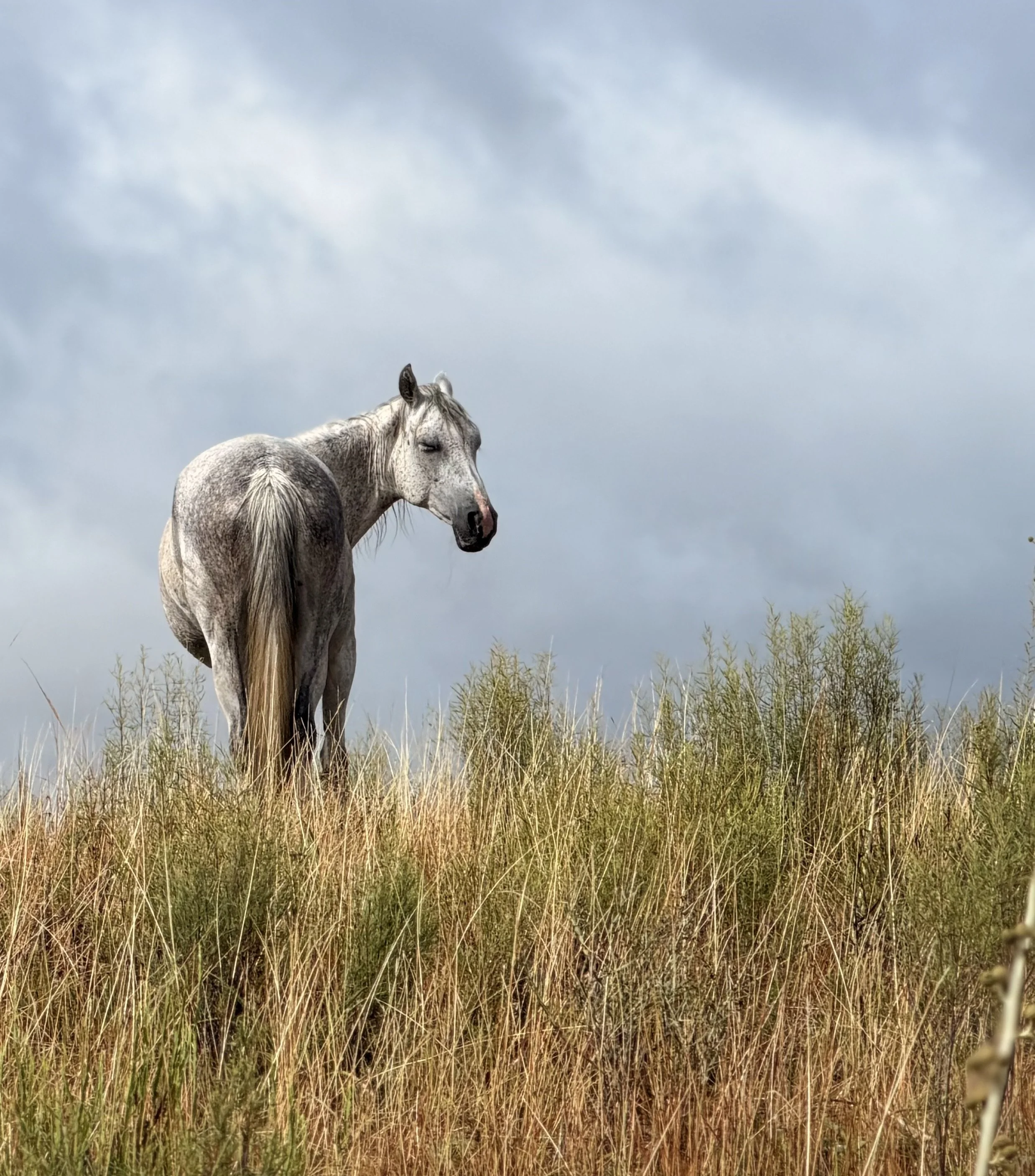
We moved through narrow, single-track trails and crossed rivers. We trotted. We cantered. There was no performative reassurance. No theatrics. Just trust between horse and rider, guide and terrain. This is what it feels like to be alive, I thought. And it made me wonder how my life only allows for this feeling 7000 miles from home.
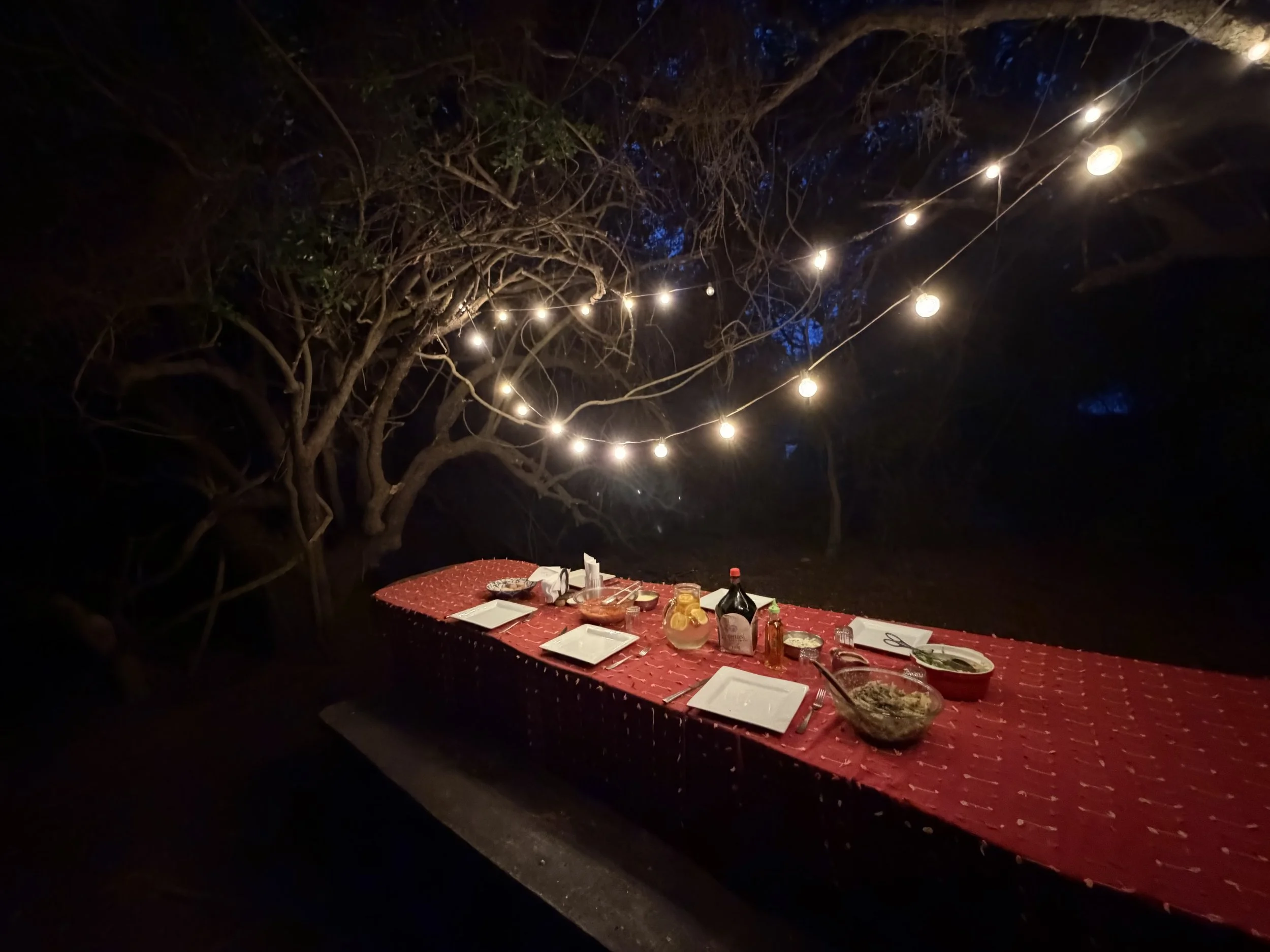
That evening, dinner was served under a large tree, by candlelight. A storm was approaching, and the power was intermittent. The cook handed each of us candles for our huts, just in case. The food was excellent; simple, nourishing, and made with love. Vegetarian, largely homegrown, entirely unpretentious. We ate communally. Without the distraction of Wi-Fi and cell service, we talked. We lingered.
This, too, felt like luxury; not branding or thread count, but presence, attentiveness, and care.
The next day, after a long ride, our guide disappeared briefly into the brush and returned with a bundle of fresh mint. She handed me some. That small, unprompted gesture felt more hospitable than most five-star stays I’ve experienced.
Inspired by her actions, I couldn’t stop thinking about the experience we provide our guests at Nomada. How do I make staff understand the power they have to make a guest feel inspired. Can it be systematized? Or is it simply noticing?
Lunch that day was taken inside the kitchen: pumpkin soup, fresh salad with seeds, and gluten-free Brazilian biscuits that were unexpectedly perfect. Shelves were lined with labeled jars of grains and flours. The walls were dotted with vintage Polaroids—Amy Winehouse, Jim Harrison, Freddie Mercury.
Around the table sat a Brazilian horse trainer who had left competitive endurance racing behind, a couple from Berlin in their sixties traveling slowly through South America, Lucie’s mother—warm, bold, ancient—and Lucie herself, observant and unsentimental.
Conversation moved easily—from food to language to gender and culture. In Brazil, the trainer explained, a female rider is called “Amazonia”, a woman who rides, travels, and does what was once reserved for men. There is no masculine equivalent. The word is reserved solely for women. I liked that.
If given the choice to return only to the comforts of José Ignacio or the simplicity of the sierras of Rocha, I would choose Caballos de Luz without hesitation. It served a reminder that hospitality is not about design or luxury. It is about effort. About presence. About creating space for people to feel seen and connected to themselves, to others, and to the world around them.
Caballos de Luz does not perform hospitality. It practices it. And that, I think, is the point.
About Caballos de Luz
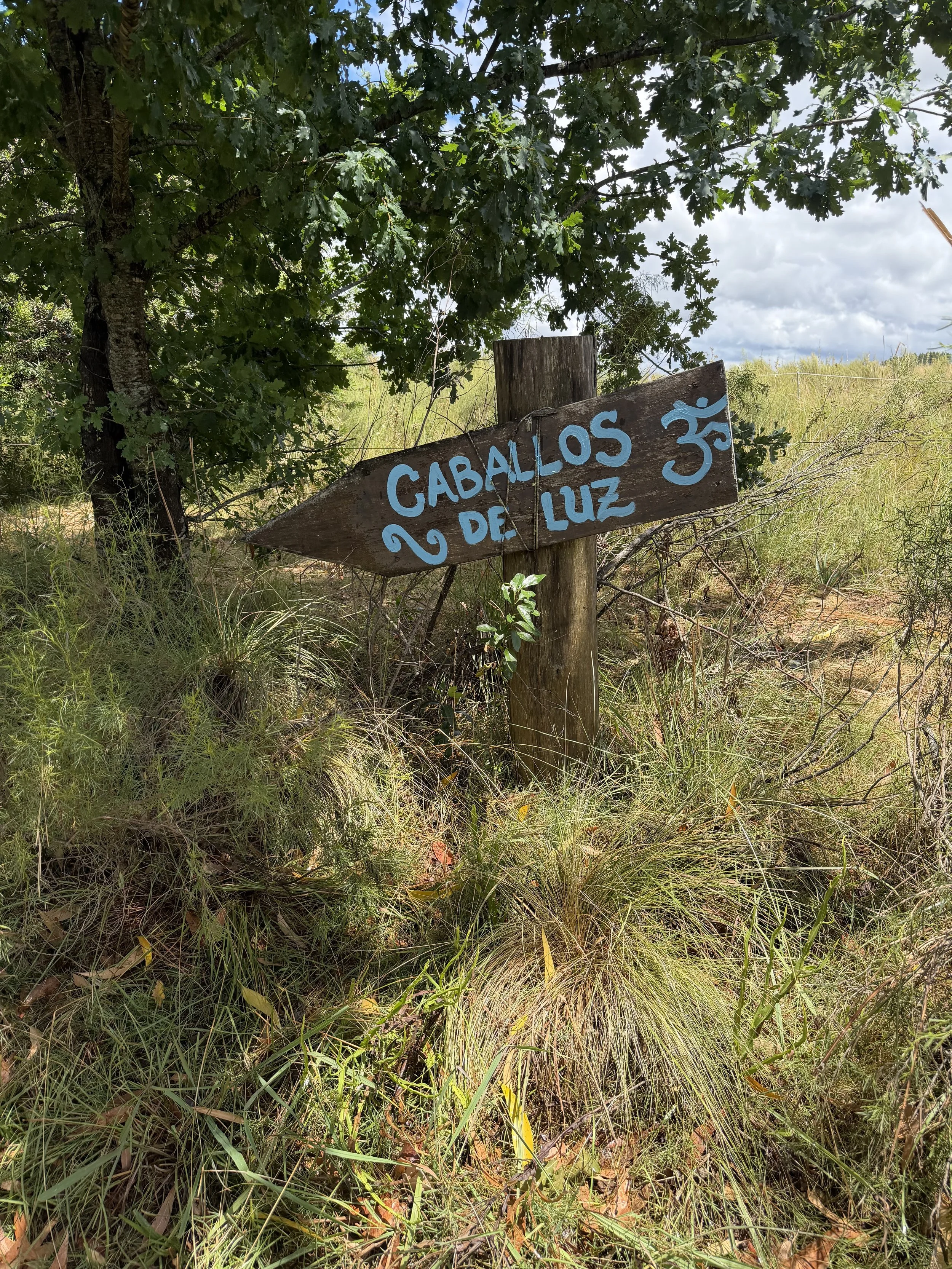
Caballos de Luz—which translates to Horses of Light— is a woman-owned horse riding retreat located in the rural Rocha region of Uruguay. The property focuses on natural, non-violent horsemanship, simple off-grid accommodations, vegetarian cuisine, and immersive experiences that prioritize connection with horses and nature over comfort or convenience. Their philosophy emphasizes cooperation rather than submission, drawing inspiration from natural horsemanship traditions and local Uruguayan practices.