Is Street Art Folk Art?
Is Street Art Folk Art?
When does public expression become a cultural tradition rather than an individual artistic expression?
Folk Art, Traditionally Speaking
Folk art has long been defined by a few essential traits. It is rooted in place. It reflects shared symbols rather than individual authorship. It is often anonymous, functional, and woven into daily life. It is learned by observation and mentorship, passed hand to hand rather than institution to institution.
Folk art belongs to a community before it belongs to an artist.
Street art, on the other hand, is usually framed as contemporary and individual. It is frequently political or reactive. Its materials are modern, its authorship visible.
And yet, walking through Uruguay, particularly Montevideo, the lines begin to blur.
The City as a Living Surface
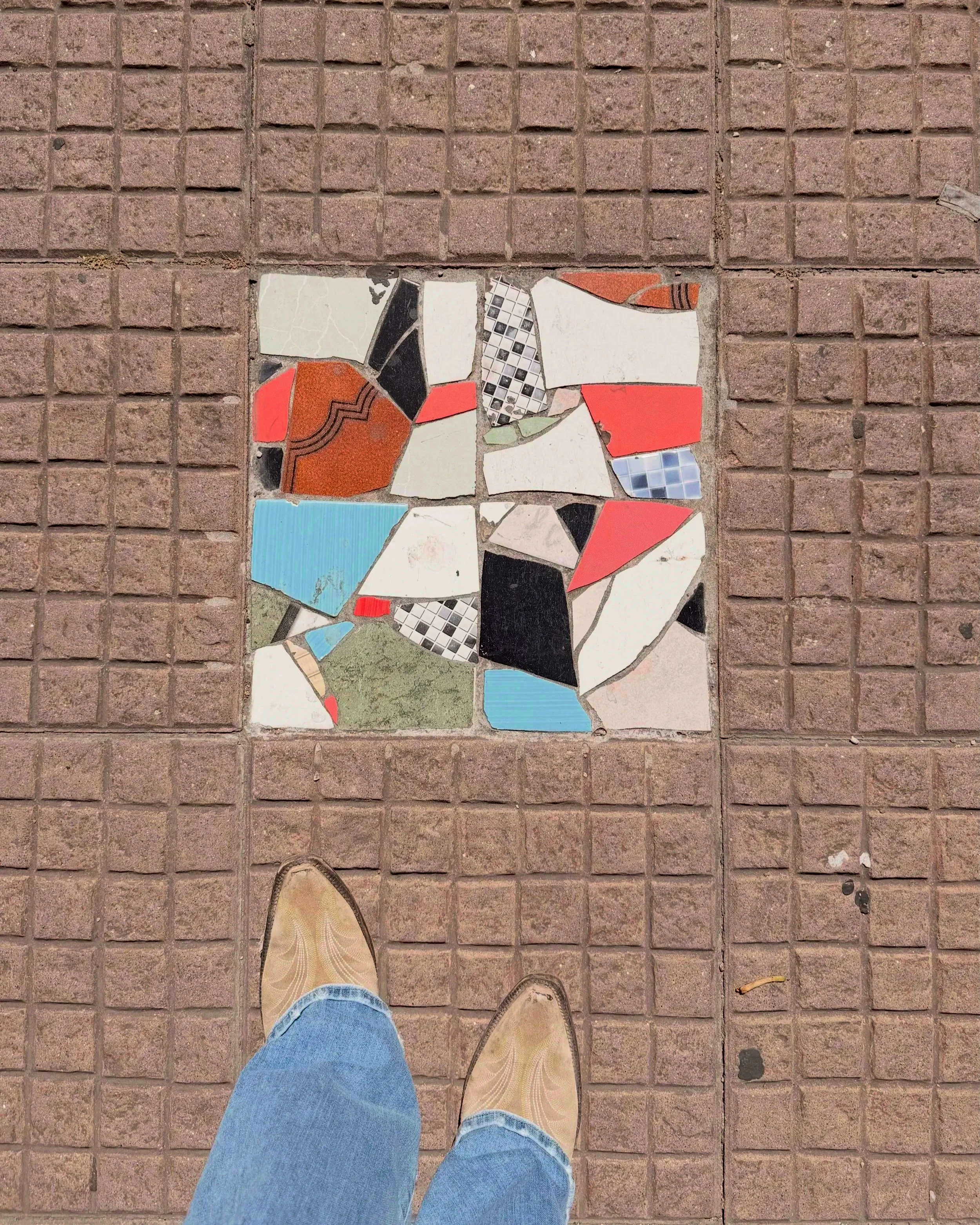
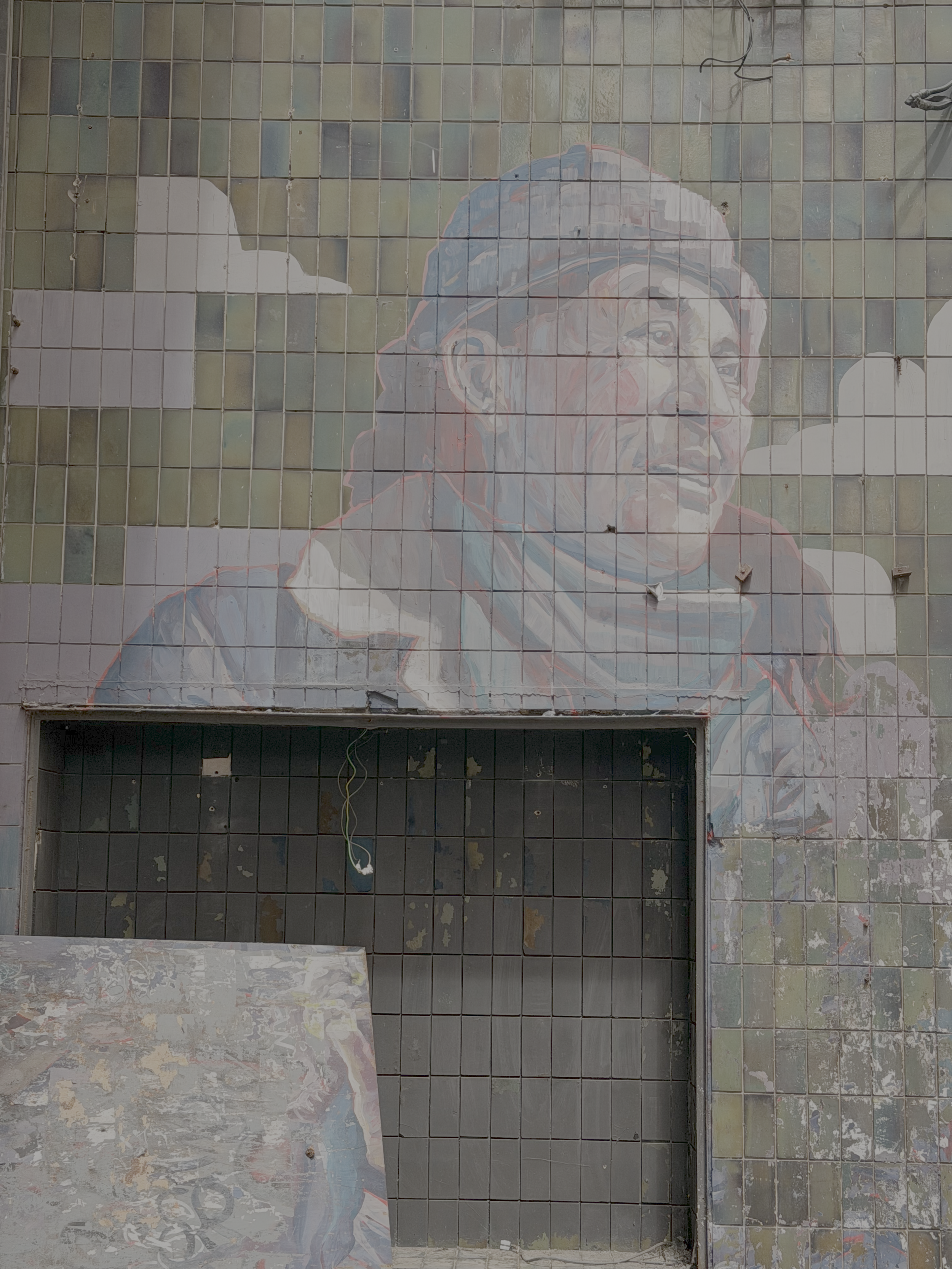
Here, mosaics appear not as features but as part of the ground you walk on and walls throughout the city. Sidewalks become canvases. Murals depict laborers, families, fishermen, poets.
Much of this work is unsigned. It is not immediately clear where municipal effort ends and personal expression begins. I asked around and street art is something that is not regulated by the city. Anyone can contribute at any time without permission.
Mosaic as Cultural Bridge
In Uruguay, mosaic functions less as spectacle and more as infrastructure. It is walked on, weathered, repaired.
When Street Art Stops Belonging to the Artist
Street art begins to resemble folk art when it no longer belongs solely to its maker.
When a mural is repainted rather than removed. When a sidewalk mosaic is preserved rather than replaced. In Montevideo, many murals feel less like statements and more like shared language. They are not didactic. They speak for the place.
A Working Definition, Found on Foot
After days of walking, I concluded:
Street art becomes folk art when it stops speaking for the artist and starts speaking for the community.
When it reflects collective values. When it is maintained, repeated, or absorbed into daily life.
Uruguay offers a rare example of this transition happening in real time—where public art feels less like interruption and more like inheritance. While searching for folk art in Montevideo, it found me, under foot.