Carla Fernandez
CARLA FERNANDEZ
Carla Fernández: Reframing Tradition Through Form, Identity, and Craft
There is a difference between preserving tradition and working within it. Carla Fernández operates in the latter; using the language of Mexican craft not as reference, but as structure.
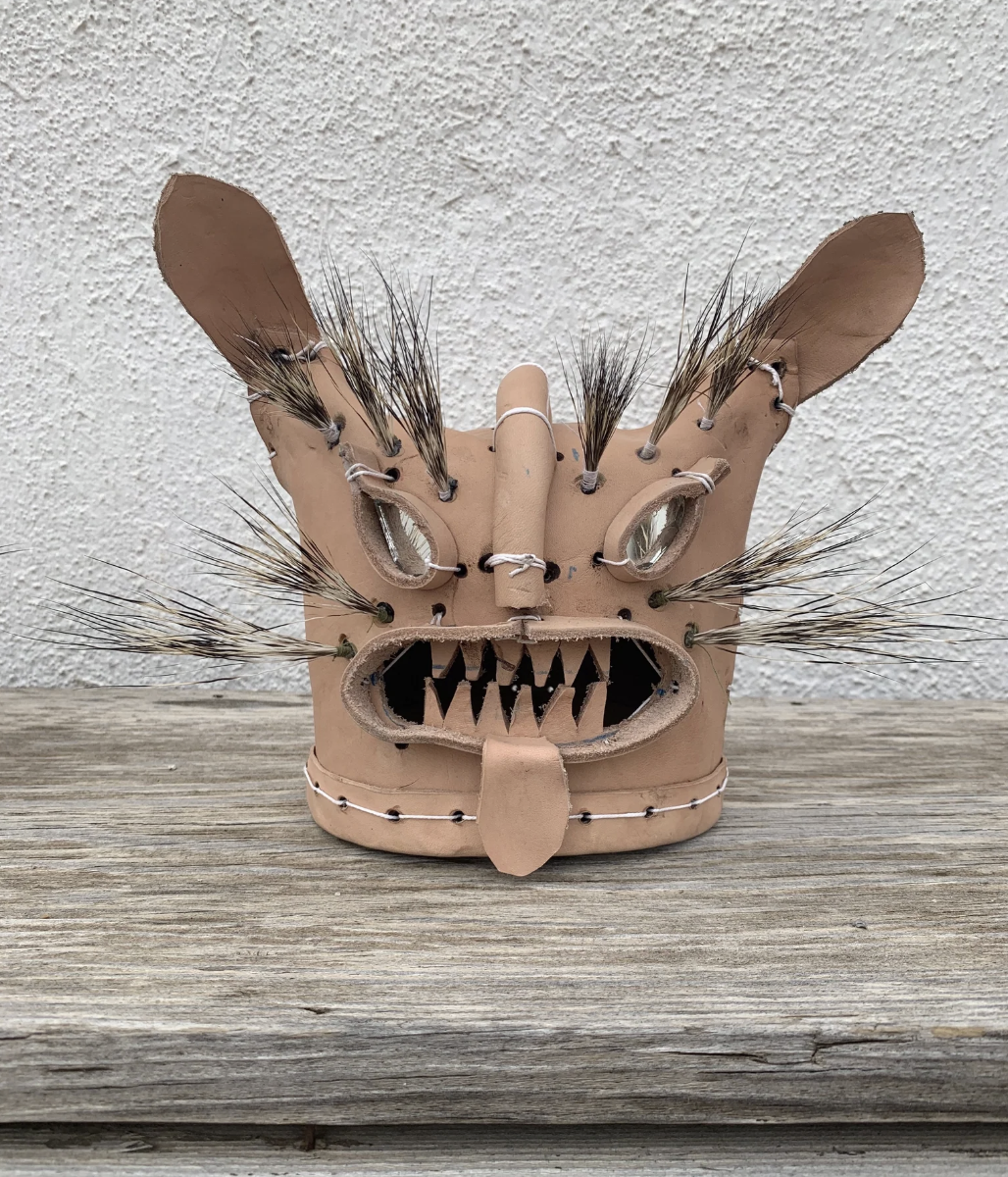
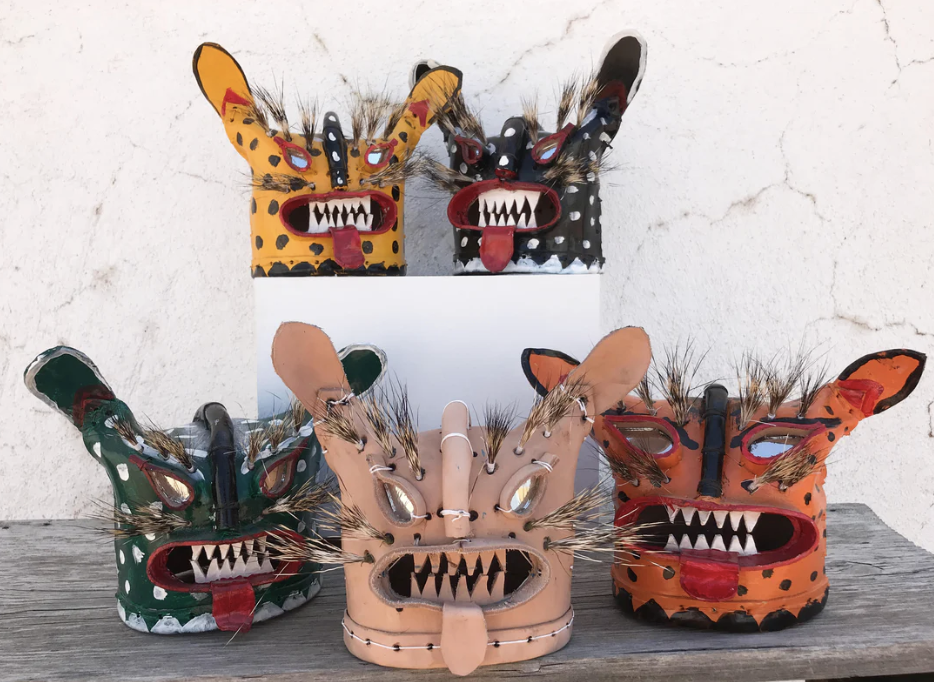
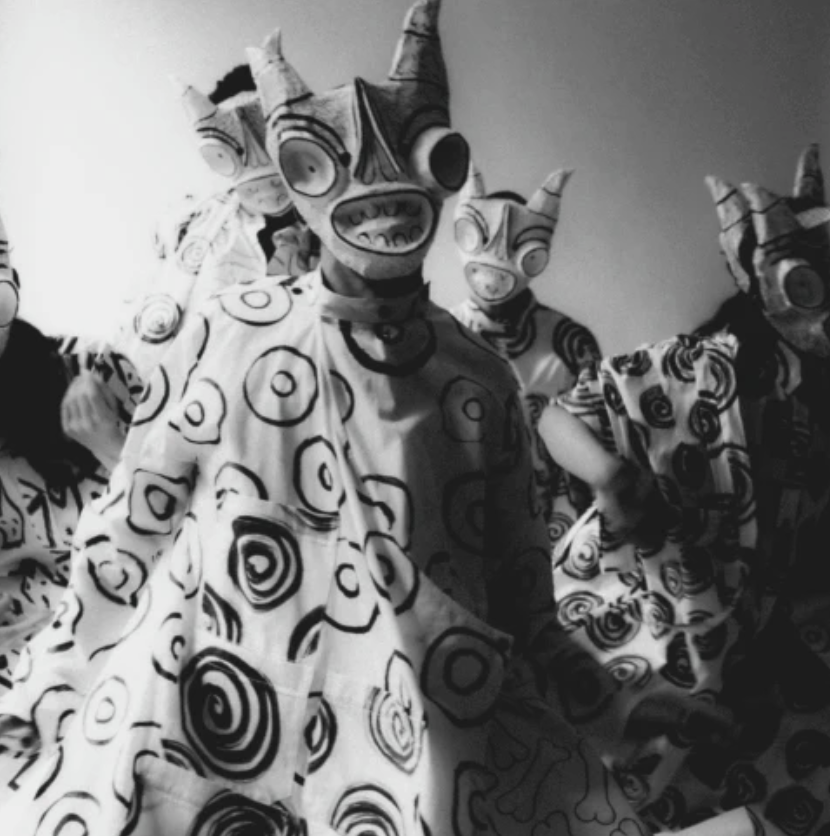
Based in Mexico City, her work spans garments, textiles, and sculptural objects, including a series of leather masks that feel at once ancient and entirely contemporary. They are not reproductions of traditional forms, nor are they detached reinterpretations. Instead, they sit in a more complex space; where indigenous knowledge systems, pattern-making, and identity are translated into modern design.
What distinguishes Fernández’s work from many contemporary designers is her methodology. She does not “draw inspiration” from Mexican craft traditions; she collaborates directly with artisan communities across the country, building her work from existing techniques, materials, and ways of constructing form.
At the core of her practice is a focus on zero-waste pattern making, derived from pre-Hispanic garment construction. Many indigenous garments in Mexico are made from rectangular panels of cloth, designed to use the full width of the loom without cutting away excess. Fernández has built an entire design system around this logic.
The result is work that feels architectural; precise, intentional, and grounded in material efficiency.
The Masks: Ancestral Forms, Contemporary Objects
Her leather masks extend this philosophy into a different medium.
Masks hold deep cultural significance across Mexico, particularly in ritual, dance, and ceremony. They are often tied to specific regions and histories, carrying symbolic meaning tied to identity, mythology, and transformation.
Fernández’s masks do not replicate these traditions. Instead, they abstract them. Some are minimal- reduced to folds, cuts, and seams that suggest a face rather than describe it. Others carry subtle references to historical forms but are stripped of literal symbolism.
They feel ancestral and contemporary.
Fernández’s work reflects a broader shift in how designers engage with tradition. Rather than extracting visual motifs, she engages with process, authorship, and collaboration.
Fernández’s work has been exhibited and collected internationally, with a strong presence in cities like New York City and Marfa- places where design, art, and cultural discourse intersect.
What makes Carla Fernández’s work important is not that it modernizes folk art. That framing is too simplistic. Instead, she demonstrates that tradition is not something to be preserved in place, but something that can be carried forward through structure, collaboration, and intent.
Her leather masks, in particular, make this visible. They hold the weight of history without replicating it. They reference identity without fixing it in time. And in doing so, they suggest a different future for craft- one that is not nostalgic, but inspired.